Halloween facts are more interesting when you can tell a documented custom from a good story. Turnip lanterns, old visiting traditions, and the rise of wrapped candy all offer a different way to look at the holiday.
This updated collection brings together 12 facts with museum, library, and other direct sources. Legends are identified as legends, and changing figures have dates attached, so you can share the trivia without passing along an outdated claim.
1. The Name Halloween Points to All Saints’ Day
We use the word Halloween so often that its meaning is easy to miss. It comes from the evening before the Christian Feast of All Saints, also known as All Hallows. The name refers to the eve, rather than to a particular costume or spooky character.
The National Museum of Ireland’s guide to Halloween explains this connection. It is one reason the holiday’s history needs more than a single story about pumpkins or ancient spirits.
2. Samhain Marked the Beginning of Winter
In the traditional Irish calendar, Samhain marked the first day of winter on November 1. Much of the celebrating took place the previous evening. The National Museum of Ireland records feasting, games, and beliefs about returning spirits among the customs associated with that night.
This is an important part of Halloween’s background, but saying that the modern holiday was simply once called Samhain leaves out its Christian and later cultural influences. The Library of Congress discusses both strands in its history of the celebration.
3. People Carved Halloween Lanterns from Turnips
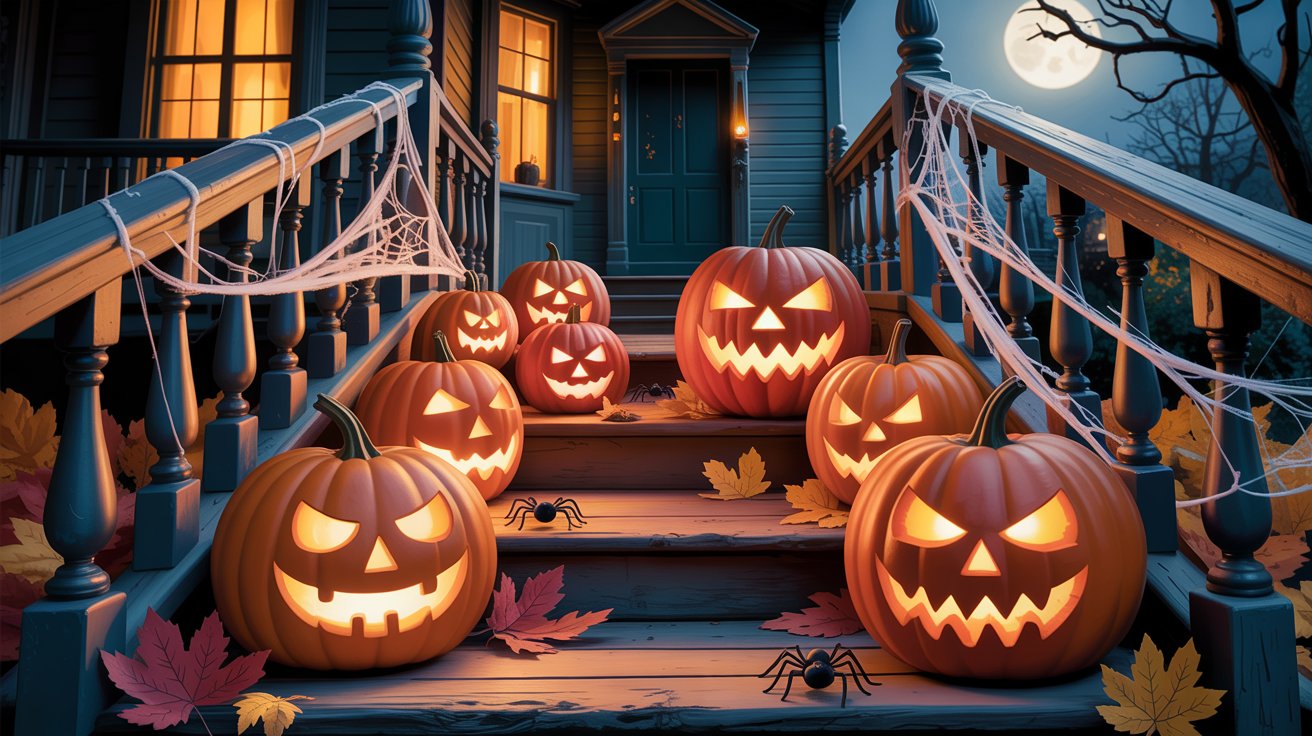
Pumpkins were not the only vegetables used for spooky lanterns. The National Museum of Ireland’s ghost turnip record describes carved turnip lanterns in Ireland and identifies the familiar pumpkin version as an American development.
The museum received an example from County Donegal in 1943, described as a type made locally around 1900. Its displayed model preserves the appearance of that lantern.
The same record connects the name Jack o’ Lantern with a folktale about a wandering man named Jack. That is a legend attached to the lantern, not a documented biography of a real pumpkin-carving inventor.
4. Trick-or-Treating Has More Than One Historical Connection
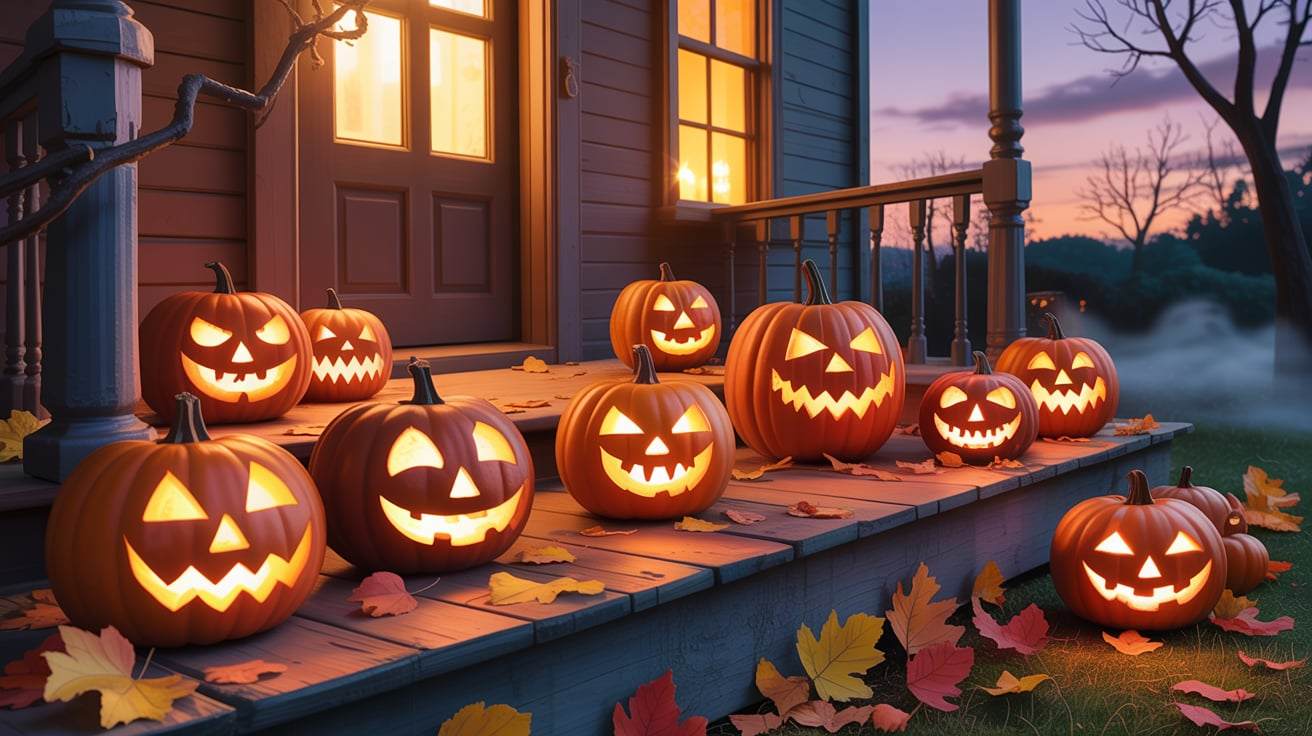
Older visiting customs help explain the familiar Halloween doorstep. In Irish guising, disguised visitors entertained a household in return for a treat. The National Museum of Ireland describes this custom among the traditions behind modern trick-or-treating.
The Library of Congress also discusses souling, when people requested soul cakes and offered prayers for the dead relatives of those who gave them food. These connections are more accurate than claiming one candy company invented the whole idea. They also show that giving, performing, and visiting were part of the story before today’s bags of sweets.
5. Candy Corn Was Not Always Just a Halloween Sweet
Candy corn now looks perfectly at home beside a pumpkin, but its seasonal identity developed over time. The Smithsonian’s National Museum of American History notes that early advertising compared it with chicken feed and used a rooster image.
The museum also points to advertising from the 1950s that promoted the candy for year-round eating. So the interesting detail is not just its farm-inspired appearance. A sweet that now feels tied to October once had a much wider place on the calendar.
6. Wrapped Candy Changed the Trick-or-Treat Bag
The move toward packaged Halloween sweets was gradual. According to the Smithsonian’s account of Halloween treats, candy companies increasingly promoted products for the holiday during the 1950s.
Individually wrapped sweets were convenient because they needed little preparation and were economical to distribute. Homemade items and packaged candy still appeared together in trick-or-treat bags into the 1970s. That gives the modern candy bowl a much more recent history than the older customs of dressing up and visiting neighbors.
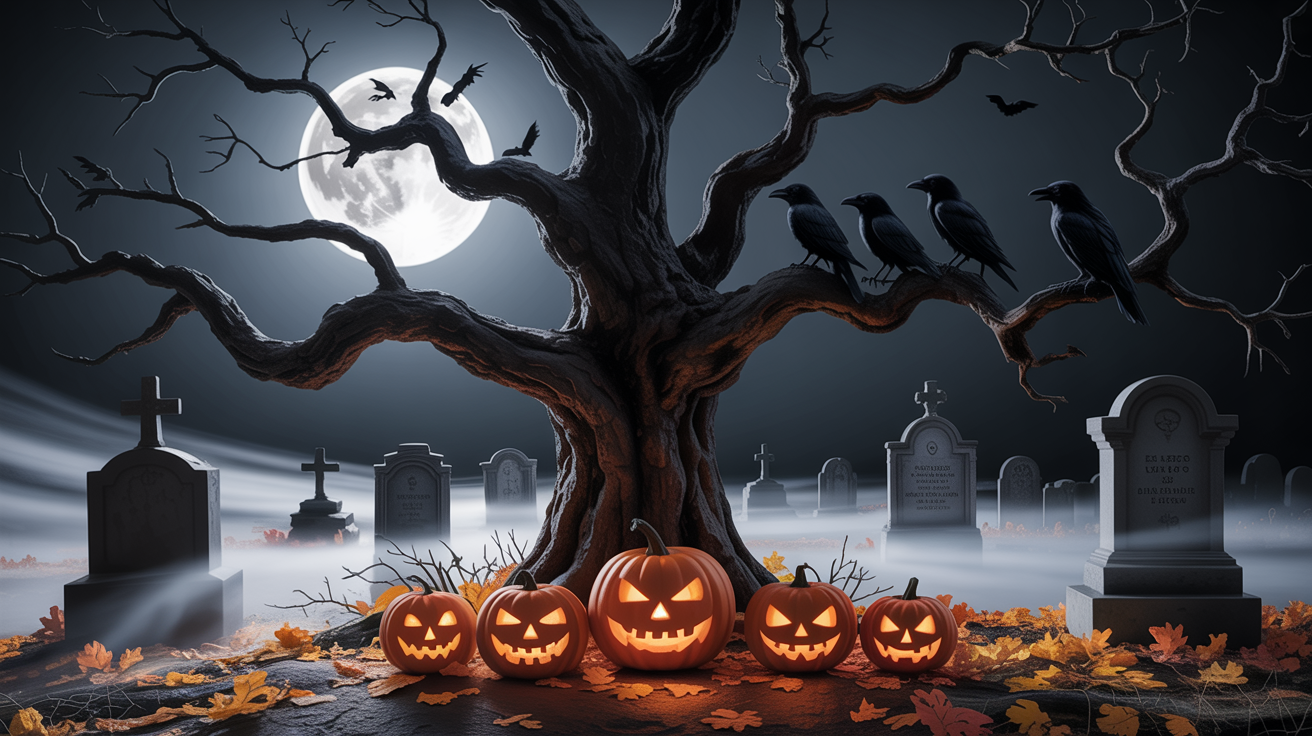
7. A Documented Giant Jack-o’-Lantern Weighed 2,749 Pounds
Here is a pumpkin achievement with a date and a source. Guinness World Records documents a 2,749-pound pumpkin grown by Travis Gienger and carved by Eric Jones in Clarence, New York, on November 7, 2023.
The design was made for Veterans Day, a useful reminder that a jack-o’-lantern need not be carved on Halloween itself. The recorded weight is 1,246.9 kilograms.
Pumpkin-growing and carved-lantern records are separate categories, and records can change. This example is a verified historical achievement rather than a claim that no larger pumpkin could exist today.
8. Halloween Fortune-Telling Included a Ring in a Cake
Halloween games sometimes looked toward love and marriage rather than ghosts. In the Irish barmbrack tradition, finding a ring in a slice was taken as a sign that the finder would be next to marry. A coin could represent future wealth.
The National Museum of Ireland’s account of these customs also describes other fortune-telling games and their symbols. They are recorded folk beliefs, not reliable ways to predict anyone’s future. Knowing that difference makes the history enjoyable without treating a party game as a promise.
9. The 1978 Film Halloween Is on the National Film Registry
The connection between Halloween and horror films includes a title that shares the holiday’s name. The Library of Congress National Film Registry lists Halloween, released in 1978 and selected for the registry in 2006.
That is a specific piece of movie history you can use in a trivia question. It is more precise than crediting Hollywood with inventing every spooky decoration or the entire haunted-house tradition.
10. A Black Cat Is Not a Bad-Luck Warning
Black cats appear in Halloween stories and decorations, but the idea that they bring bad luck belongs to superstition. The Natural History Museum of Los Angeles County directly rejects that belief in its discussion of black-cat myths.
Enjoy a paper cat in a window or a cat-shaped decoration without applying the story to a real animal. A dark coat is not a reason to fear or mistreat a cat.
11. The 2026 US Halloween Spending Figure Is a Forecast
The National Retail Federation’s 2026 survey puts expected US Halloween spending at $13.5 billion. It also reports that 74% of consumers planned to celebrate.
The key word is expected. This is a survey-based estimate of plans, not a final total counted after Halloween. It is also a US figure, not worldwide spending.
You may see Halloween described as the second-largest commercial holiday. That broad ranking depends on what is counted and should not be treated as an established fact without a clear comparison. The dated survey figure is a more useful number to share.
12. Halloween Falls on a Saturday in 2026
For this year’s plans, Halloween is Saturday, October 31, 2026. The 2026 Halloween calendar listing confirms the date and day of the week.
Check the actual date on a local event listing before setting off. A party or community celebration may be arranged for another day, even though Halloween itself remains October 31. This matters when sharing invitations, arranging visits, or planning a family celebration.
A Better Way to Share Halloween Trivia
Pick a few facts that suit your audience rather than turning a conversation into a history lesson. The turnip lantern makes a fun talking point beside a carved pumpkin, while the candy facts fit naturally into a discussion about favorite treats.
Keep the source link when sharing a record or spending figure, and include its year. A little context makes a good fact much more useful.