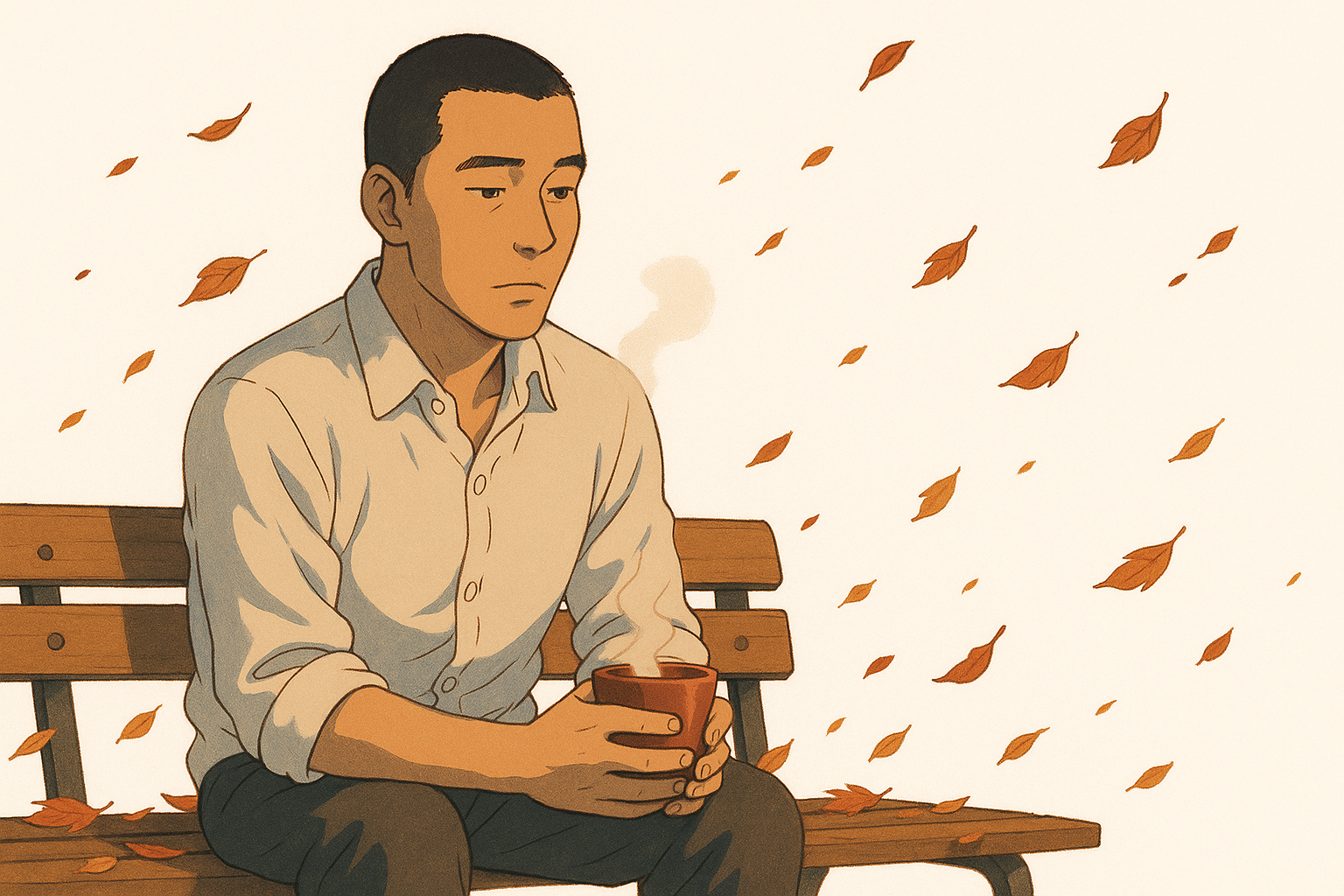
Some wounds don’t follow a timeline. You think you should be over it by now. Friends are tired of hearing about it. You’re tired of thinking about it.
Yet somehow, there’s still that heaviness sitting quietly behind your smile. Moving on isn’t always loud or obvious. Sometimes it’s just learning how to breathe again without aching.
This isn’t about forgetting what happened — it’s about making space for who you’re becoming. And no, there’s nothing wrong with you for still feeling the way you do. Healing is rarely a straight line.
You’re Not Weak for Still Feeling Everything
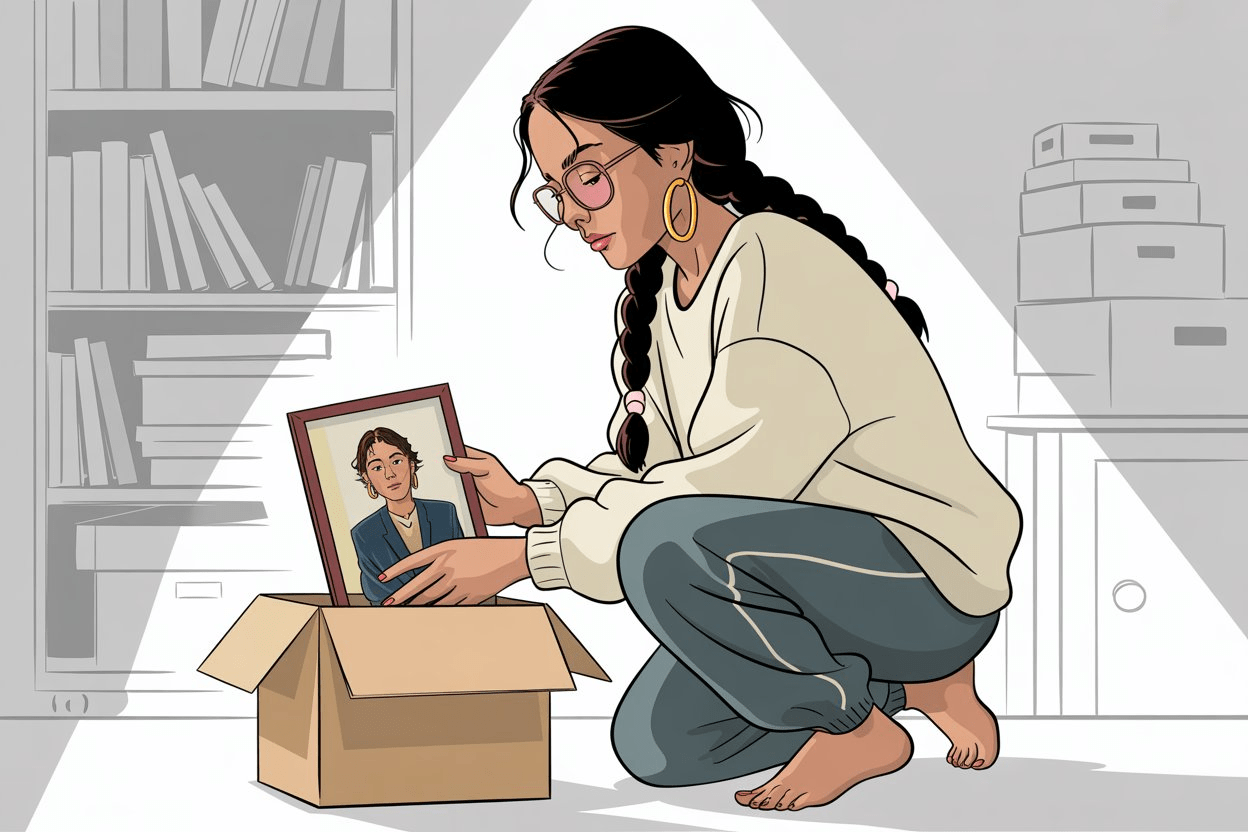
Just because you’re still hurting doesn’t mean you’re broken. You’re human. When something mattered, of course the absence leaves a mark.
The love, the memories, the plans — those things don’t just vanish overnight. It’s not weakness to care. It’s strength to carry it and still show up every day.
People might tell you to “just move on” like it’s a switch you can flip. Ignore that noise. Your heart knows its own pace.
Trying to rush grief only pushes it deeper. Let it breathe. Let it move through you in waves. Feeling everything fully is the exact thing that will eventually set you free.
Healing Doesn’t Always Look Like Progress
Some days you’ll feel like you’re moving forward. Other days you’ll wonder if anything’s changed at all. That’s normal.
Growth doesn’t always announce itself. Sometimes it looks like crying less. Sometimes it’s going a few hours without thinking about them. Other times, it’s just getting out of bed when you didn’t want to.
You’re still healing, even when you can’t see it happening. There’s no trophy for getting over someone the fastest.
The world might want you to perform “okay,” but the real work happens quietly — in your thoughts, in your boundaries, in the way you choose yourself again, piece by piece.
Stop Looking for Closure in the Person Who Hurt You
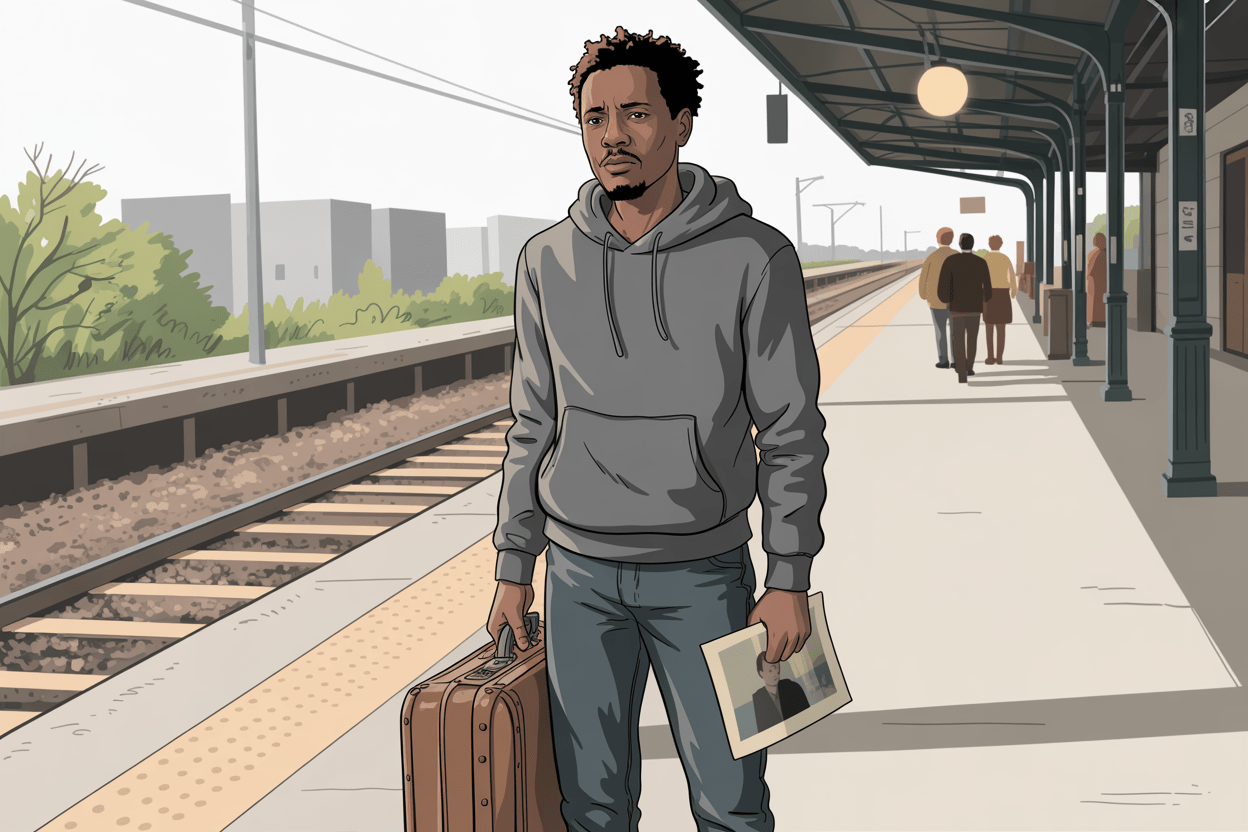
Closure doesn’t come from the same place that caused the damage. Waiting for an apology, an explanation, or that one final conversation to make sense of it all?
That’s emotional quicksand. The longer you stay stuck in the idea of what should have happened, the harder it becomes to reclaim your power.
Real closure happens when you decide you’re no longer giving your peace away in exchange for someone else’s clarity. You don’t need their permission to heal.
You don’t need their approval to let go. The answers you’re chasing outside of yourself can only be resolved inside you.
You’re Allowed to Mourn a Future That Didn’t Happen
One of the hardest parts of letting go isn’t just missing the person — it’s grieving the version of your life you imagined with them. The trips you never took.
The conversations you thought you’d have. The version of you who was building a future that now doesn’t exist. That grief is real, and it deserves space.
People might downplay it, but losing potential can be just as painful as losing reality. So take a moment to honor that imagined life — then remind yourself you’re still here.
And now you get to rebuild with stronger hands, clearer eyes, and a version of you that’s more awake than ever.
You’re Not “Behind” — You’re Just Healing
It’s easy to look around and feel like everyone else has moved on while you’re still in the thick of it. Maybe they’re dating again.
Maybe they’ve “found peace.” Meanwhile, your mind is still replaying conversations and rewriting endings. That doesn’t make you slow. That makes you honest about what you’re feeling.
Healing doesn’t run on a public schedule. This isn’t a race. You’re not behind because you’re still in process. In fact, trying to meet some invisible timeline often just adds pressure to pain.
Let everyone else sprint ahead if they want — you’re choosing depth over distraction. That’s not weakness. That’s courage.
You Can Miss Them and Still Know They Weren’t Right for You
Missing someone doesn’t mean they were good for you. It just means they were familiar.
People confuse missing with meaning — like the pain must mean you made a mistake, or that they were “the one.”
That’s not always true. You can miss the routine, the intimacy, even the way they made you feel — and still recognize the relationship wasn’t healthy.
Let yourself miss them without turning it into a reason to go back. You’re not crazy for feeling both love and pain at the same time.
That emotional tug-of-war is part of the untangling. Give yourself permission to feel both truths: you cared deeply, and walking away was still the right thing to do.
Nobody Has to Understand Your Grief for It to Be Valid
Sometimes the hardest part of moving on is dealing with people who think you should be “over it” already.
They weren’t in your shoes. They didn’t share those private moments. And they don’t have to get it. This pain is yours — and you’re allowed to carry it in your own way, for your own time.
Don’t waste energy explaining your healing process to people who only want you to hurry up.
You owe them nothing. This isn’t about proving how “strong” you are — it’s about being real with yourself. And real healing rarely fits into anyone else’s expectations.
Closure Might Just Be Choosing Yourself Again
You may never get all the answers. The “why” might stay blurry. The apology may never come. And that’s okay.
Closure isn’t a neat little moment where everything suddenly makes sense. Sometimes, it’s just a quiet decision — the moment you stop waiting and start moving.
When you choose yourself again, even in the smallest way — by deleting the photos, unfollowing them, rewriting your morning routine — that’s closure.
It’s not flashy, and it doesn’t always feel like some big, emotional release. But it’s real. You don’t need a perfect ending to begin something better.
Some Chapters End Without a Big Moment
We grow up expecting closure to be dramatic — one final talk, a tearful goodbye, a scene that ties everything together.
But in real life, endings are quieter. Sometimes people just fade. Sometimes the realization hits you on a random Tuesday while folding laundry. No last words. No perfect bow on the story.
That doesn’t make the ending any less real. In fact, the quiet ones often teach you more — about acceptance, about trust, about the kind of peace that doesn’t come from a conversation, but from within.
Don’t wait for a cinematic finish. The story ends when you stop rereading the same page.
Moving On Doesn’t Mean You’re Over It — It Means You’re Choosing Forward
You don’t have to wait until you’re “fully healed” to start building something new.
Sometimes you just have to move anyway — even if you’re still carrying a little pain.
Even if it still aches sometimes when a certain song plays. Moving forward doesn’t mean the past stopped mattering. It just means it stopped controlling you.
You’ll always carry a piece of it — but eventually, it becomes part of your story, not the center of it. You’ll laugh again. Trust again. Love again.
Not because you’ve erased what happened, but because you finally chose yourself over staying stuck. And that decision — quiet, steady, defiant — is what healing truly looks like.