

There’s a sneaky little trend going around in the dating world, and honestly, it’s kind of gross. It’s called cushioning, and it might be more common than you think.
On the surface, it doesn’t always look bad. It might even feel harmless. But deep down, it’s a toxic move—and it hurts people more than they realize.
Let’s break it down in the simplest way: Cushioning is when someone keeps a few “backups” around while they’re dating you.
Maybe they say they’re into you, maybe they even act committed… but behind the scenes, they’re texting other people, keeping flirty conversations alive, or secretly lining up their “next” just in case things don’t work out with you.
And no, it’s not the same as being single and dating around. Cushioning usually happens inside a relationship—or at least a situationship that’s heading in that direction.
That’s what makes it feel like a betrayal.
So, What Does Cushioning Look Like?
It’s not always obvious. Someone who’s cushioning might still treat you well. They’ll send sweet texts, make time for you, maybe even call you their partner.
But at the same time, they’re keeping other people in their messages—just not in a super obvious way.
They might say, “It’s just a friend,” or “We’ve known each other for a long time, it’s nothing.”
But they’re replying to flirty DMs, liking thirst traps, or lowkey keeping someone on the hook with vague responses like, “Haha you’re trouble,” or “You always know what to say 😉.”
Those kinds of comments? That’s cushioning in action. It’s like setting up a soft landing, just in case their current relationship crashes. It’s selfish, and it’s unfair.
Why Do People Do It?
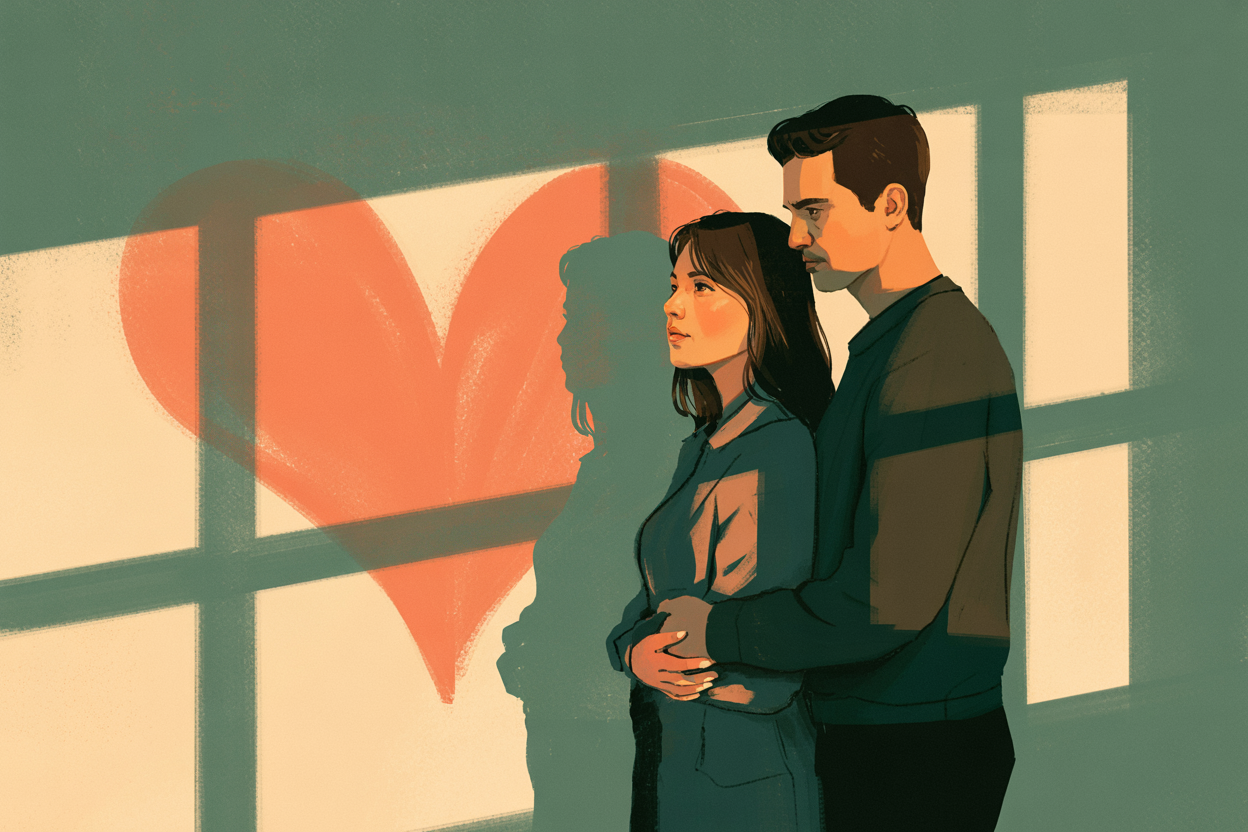
Honestly, cushioning usually comes from insecurity. People want to feel wanted. They want a backup plan.
They don’t want to feel alone if things fall apart. So instead of being all in, they half-commit. They say they’re serious with you, but they’re still looking around—just in case.
It’s a fear-based mindset. Some people are scared of fully opening up, so they hold on to attention from others as a kind of “emotional insurance.”
That way, if things with you start to feel shaky, they don’t feel the full weight of rejection. They already have someone else giving them attention.
But here’s the thing: that’s not how healthy relationships work. You can’t build trust while keeping your options warm in the background.
You can’t fully connect with someone when you’re secretly keeping your eye on the exit door.
Why It’s So Toxic
Cushioning damages trust in ways that aren’t always visible at first. It creates emotional distance.
The person being cushioned starts to feel like something’s off. Maybe they can’t explain it, but they notice things—how the person gets weird when you pick up their phone, or how they suddenly start hiding their screen when they’re texting.
It also creates insecurity. Even if you’re doing nothing wrong, being with someone who’s cushioning makes you feel like you have to compete with people you didn’t even know existed. That feeling? It’s exhausting.
Worst of all, it wastes time. Time you could’ve spent with someone who was really present.
Cushioning gives you just enough attention to keep you around, but never enough to feel safe. That kind of connection keeps you stuck, doubting yourself, and questioning your worth.
How to Spot the Signs

Here are some common signs someone might be cushioning you:
- They’re weirdly private about their phone or social media.
- Conversations feel shallow, even after weeks or months.
- They flirt with others but call it “just joking.”
- You’ve never met their close friends.
- They avoid conversations about exclusivity or commitment.
- They give you attention… but only on their terms.
These don’t always mean someone’s cushioning, but when a few of these show up together—it’s worth paying attention. Something might be off.
What To Do About It
You don’t have to play detective in your own relationship. If something feels wrong, it probably is.
A real connection shouldn’t leave you guessing where you stand. You should never feel like you’re “competing” with people you didn’t even know were in the picture.
The best thing you can do is speak up. Ask clear questions. Be direct. And pay attention to how the other person responds—not just what they say, but how they act.
Someone who values you won’t make you feel like an option.
And if they get defensive, flip the script, or brush off your concerns? That tells you everything you need to know.
Final Thoughts
Cushioning might sound like a soft, harmless word—but it creates hard, lasting damage.
It’s a form of emotional cheating. It plays with trust, wastes your time, and leaves people hurt and confused.
Don’t settle for someone who’s halfway in. You deserve someone who’s all in. No backups. No just-in-case. No safety nets.
Just real, clear, honest connection. Anything less? Walk away.